10 Best Sheet Metal Fabrication Techniques for Efficient Manufacturing
The manufacturing landscape is constantly evolving, and sheet metal fabrication stands at the forefront of this change. As industries seek to optimize their production processes and reduce costs, the techniques employed in sheet metal fabrication have become increasingly sophisticated. This article explores the 2025 Top 10 best sheet metal fabrication techniques that are poised to improve efficiency and enhance the quality of manufactured products.
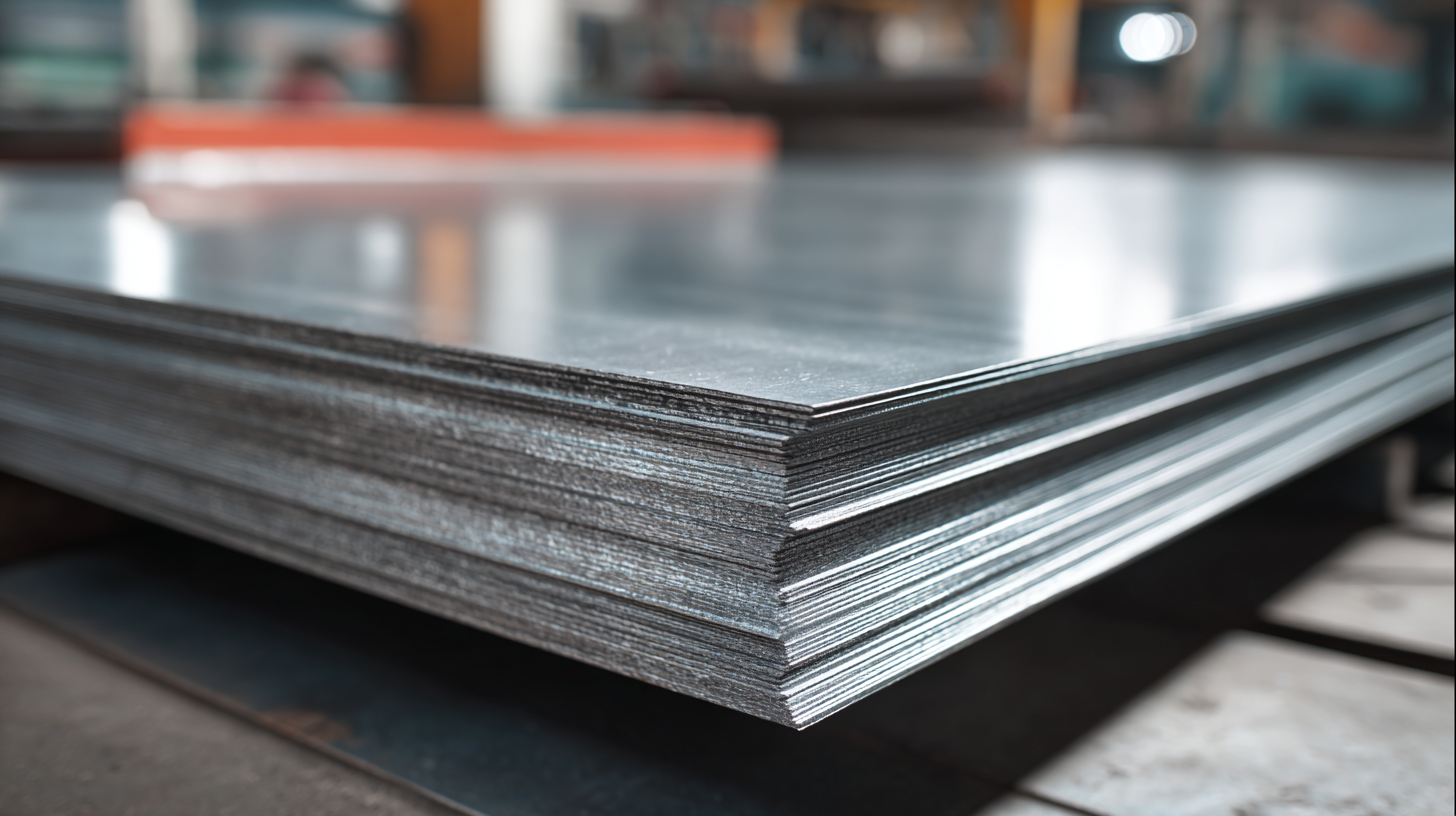
In this era of rapid technological advancement and market competitiveness, understanding and implementing the latest trends in sheet metal fabrication can provide manufacturers with a significant edge. From automated processes to innovative joining methods, these techniques not only streamline production but also contribute to sustainability efforts by minimizing waste and energy consumption. By exploring these ten techniques, manufacturers can better position themselves for success in an ever-demanding market, ensuring precision, durability, and cost-effectiveness in their sheet metal products.
As we delve into each of these techniques, it will become clear how integrating modern practices into traditional methods can lead to remarkable improvements in the overall manufacturing process. Manufacturers who embrace these innovations will not only enhance their operational efficiencies but also set new standards in quality and craftsmanship in the sheet metal fabrication industry.
Understanding the Basics of Sheet Metal Fabrication Techniques
Sheet metal fabrication is a crucial process in manufacturing that involves shaping and assembling metal sheets into various components. Understanding the basics of different sheet metal fabrication techniques is essential for efficient production and achieving high-quality results. Common techniques include cutting, bending, and welding, each serving a unique purpose in the overall fabrication process.
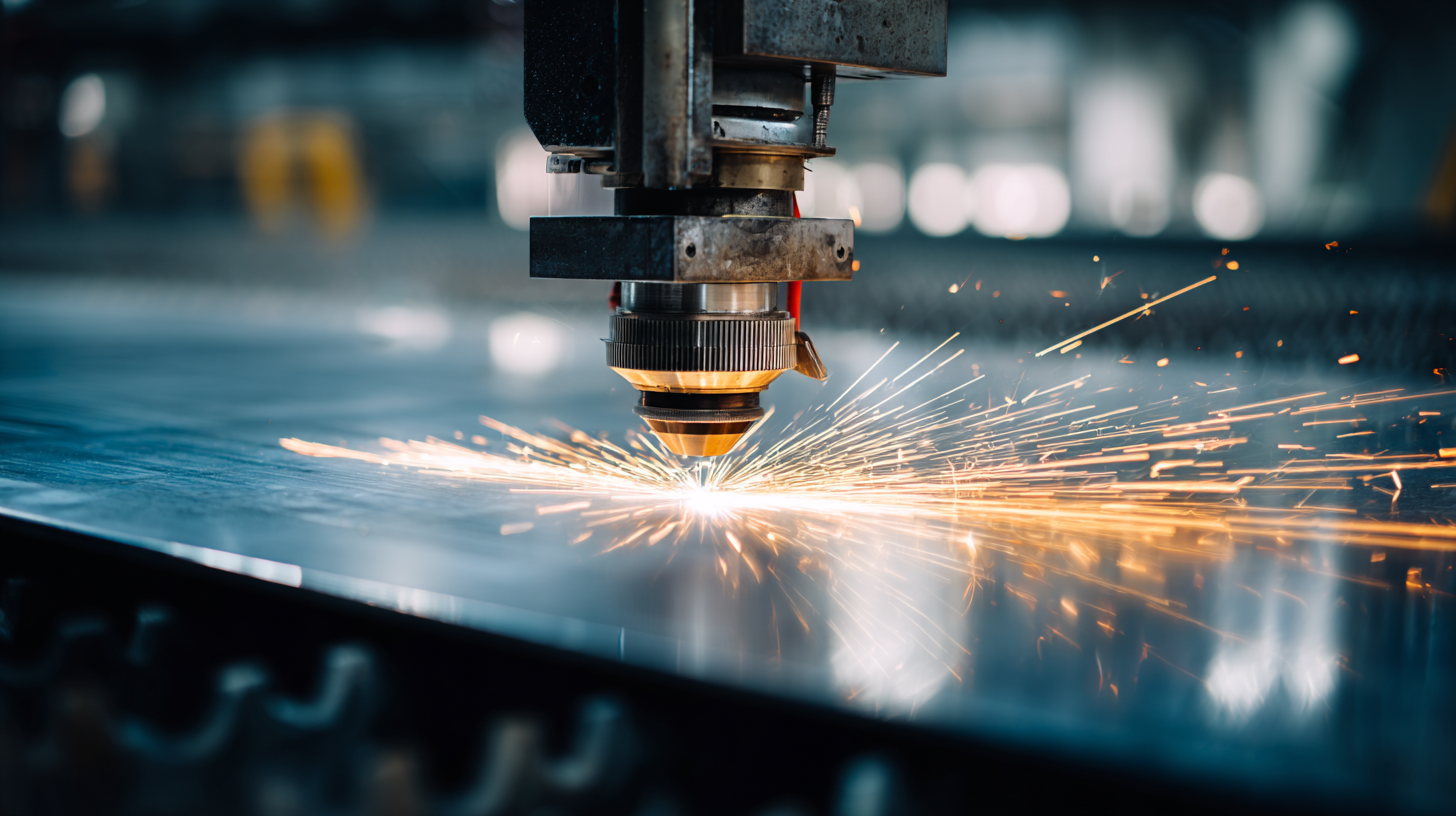
Cutting techniques such as laser cutting and plasma cutting allow for precise shapes and edges, while bending methods like press braking help create angles and curves necessary for specific designs.
Additionally, other techniques such as punching and machining play significant roles in enhancing functionality. Punching is used to create holes and shapes, while machining can refine the edges and surfaces of parts for a more finished look.
Equipping manufacturing facilities with the right tools and a solid grasp of these fundamental techniques can significantly improve workflow efficiency and reduce material waste, ultimately leading to cost-effective manufacturing solutions. By mastering these essential fabricating methods, manufacturers can enhance both productivity and product quality in the highly competitive metalworking industry.
Exploring Advanced Cutting Methods for Precision Manufacturing
In modern manufacturing, advanced cutting methods play a crucial role in enhancing precision and efficiency in sheet metal fabrication. Techniques such as laser cutting and water jet cutting have emerged as favorites among manufacturers looking to achieve intricate designs without compromising on material integrity. Laser cutting utilizes focused light beams to slice through metal with exceptional accuracy, allowing for complex geometries and tight tolerances that are often unattainable with traditional methods.
Another innovative approach is plasma cutting, which combines speed with the ability to cut through thicker materials. This method uses an electrically conductive gas to produce a high-temperature jet, making it ideal for situations where rapid processing is essential. Additionally, advancements in CNC technology have revolutionized how these cutting methods are implemented, enabling more consistent results and reducing waste.
These cutting-edge techniques not only improve the quality of the final product but also streamline the overall manufacturing process, ensuring competitive advantage in a fast-paced market.
The Importance of Bending Techniques in Efficient Fabrication
Bending is a crucial aspect of sheet metal fabrication that significantly impacts the efficiency of manufacturing processes. Proper bending techniques not only enhance the structural integrity and precision of the final product but also optimize material usage and reduce waste. By utilizing methods such as air bending, bottom bending, and coining, manufacturers can achieve high-quality bends that meet specific design requirements. Each technique has its own set of advantages and can be selected based on the material thickness and type, allowing for better adaptability in production.
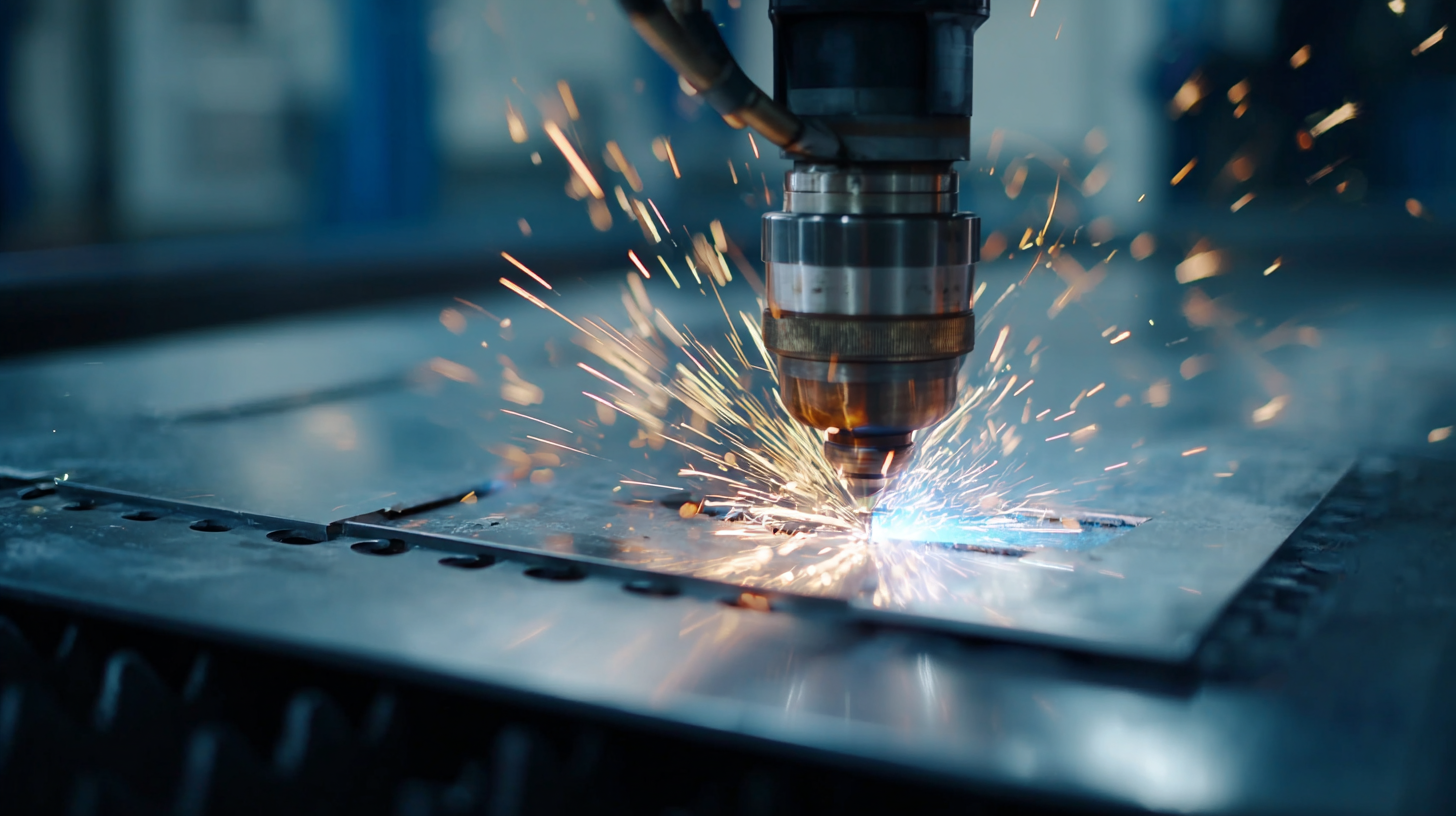
Tips for maximizing efficiency in bending include understanding the material’s characteristics and choosing the right tooling for the job. A well-maintained bending press can significantly improve accuracy, while implementing digital measurement systems can further enhance precision. Additionally, training operators on best practices and the latest technologies can contribute to minimizing errors and increasing productivity. Regularly analyzing and refining bending processes can lead to significant gains in output and quality, allowing manufacturers to stay competitive in a fast-paced market.
Welding Techniques: Choosing the Right Method for Your Project
Welding is an essential technique in sheet metal fabrication, significantly impacting the efficiency and quality of manufacturing processes. Choosing the right welding method for a specific project can lead to improved results. For instance, advanced techniques like Gas Tungsten Arc Welding (GTAW) have been shown to enhance the quality of components in projects such as ship construction, where welding constitutes a substantial portion of the workload. This specialized process, while requiring careful consideration, offers increased precision and control, particularly beneficial in complex applications.
When selecting a welding technique, consider the material type and project requirements. For beginners, it is often advisable to start with user-friendly welding equipment designed to simplify operations while ensuring safety. Tips such as ensuring the right electrode type and maintaining proper welding speeds can lead to superior joins and durability. Moreover, investing time in understanding various methods can significantly streamline the fabrication process, ultimately enhancing overall productivity.
Quality Control Measures in Sheet Metal Fabrication Processes
Quality control is a critical aspect of sheet metal fabrication that ensures products meet required specifications and standards. Effective quality control measures involve systematic inspections at various stages of the fabrication process. This includes verifying material thickness and composition before fabrication begins, which helps prevent issues related to material defects or incompatibility later in the process. Additionally, regular monitoring of the machining and forming processes is essential to catch deviations early, allowing for immediate corrections and minimizing waste.
Another important component of quality control is the implementation of statistical process control (SPC). By analyzing production data and trends, manufacturers can identify areas for improvement, optimize workflows, and reduce variation in the end product. In addition, thorough documentation and traceability of each fabrication step enhance accountability and provide insights for continuous improvement. Overall, integrating robust quality control measures within the sheet metal fabrication process not only guarantees product reliability but also fosters customer satisfaction and trust.