How to Optimize Steel Supply Chain Management in 2026
In the evolving landscape of 2026, optimizing Steel Supply Chain Management is crucial. Industry expert John Smith emphasizes, "Efficiency is the backbone of the steel supply industry." His insight highlights the significance of streamlined processes and robust logistics.
Steel supply faces unprecedented challenges today. Rising demand and fluctuating prices complicate operations. As companies strive for efficiency, inefficiencies can still plague the system. Many organizations struggle with outdated technologies that hinder growth. Improving data analysis and forecasting becomes vital. The need for agile responses is clear.
Moreover, sustainability in steel production is becoming essential. Companies must balance cost with environmental responsibility. Ineffective practices lead to waste and lost opportunities. Reflecting on these hurdles presents paths for improvement. Embracing innovation will be key in navigating the complexities of steel supply management.
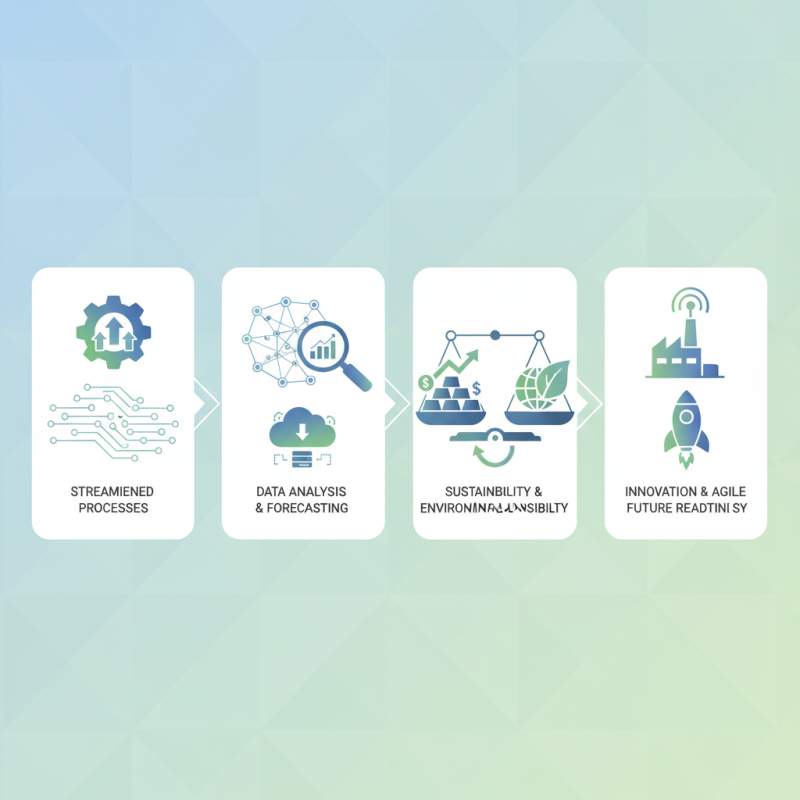
Overview of Steel Supply Chain Challenges and Opportunities in 2026
In 2026, the steel supply chain faces significant challenges and opportunities. Global demand for steel is projected to grow by 3% annually. This increase applies pressure on suppliers to innovate and adjust. Inefficiencies exist throughout the chain, from raw material sourcing to final delivery.
Supply chain disruptions continue to be a major issue. Logistics bottlenecks and fluctuating prices impact stability. A report from the World Steel Association highlights that 40% of steel manufacturers report vulnerability to these disruptions. Many steel companies are exploring digital tools to enhance transparency. Adopting advanced analytics can lead to better decision-making.
Sustainability pressure is also mounting. Approximately 30% of companies have begun initiatives to reduce carbon footprints. However, execution often lags behind ambition. Limited resources for proper implementation mean that many firms struggle. Strategic partnerships may provide essential support and knowledge. Adapting to these dynamics is crucial for long-term success.
Current Trends in Steel Demand and Global Market Predictions for 2026
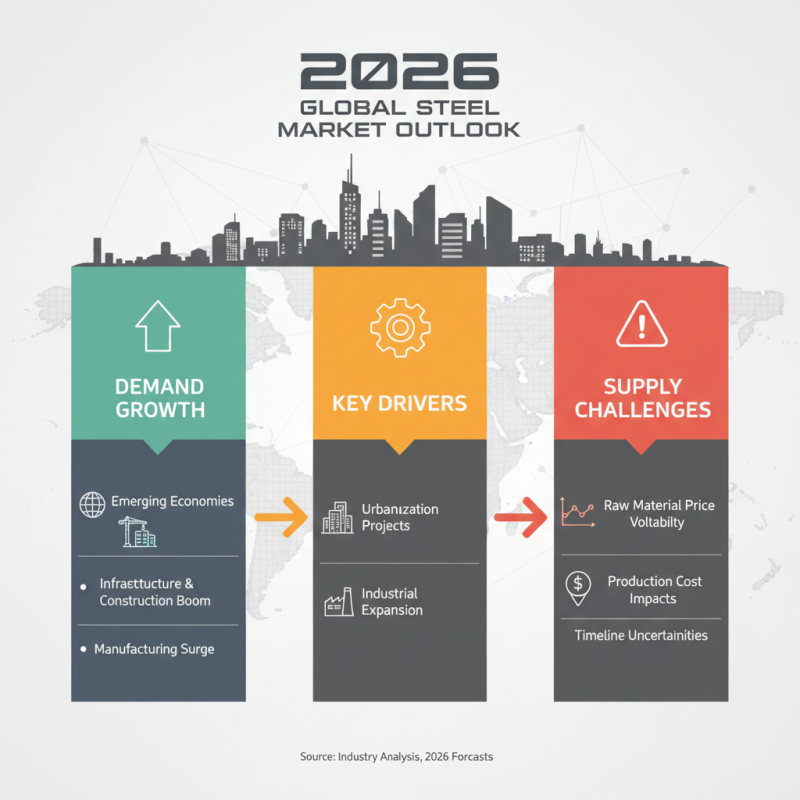
In 2026, the steel market is expected to undergo significant changes. Emerging economies are likely to increase their demand for steel. Infrastructure projects will play a crucial role in driving this growth. Construction and manufacturing sectors are anticipated to surge. However, it's important to reflect on the supply challenges that may arise. Fluctuating raw material prices could impact production costs and timelines.
Global demand will also be influenced by environmental regulations. The push for sustainable practices is vital. Steel producers will need to adapt to new standards. This shift may require investment in green technologies. It can be costly, and not all players may be prepared. Some may struggle to transition smoothly, leading to potential shortages in supply.
There’s also the unpredictability of geopolitical factors. Trade policies could shift, impacting global steel flows. Suppliers might face delays or partnerships may dissolve unexpectedly. Companies must stay flexible and ready to adjust their strategies. This year could reveal gaps in supply chain efficiency. Identifying weaknesses now will be essential for long-term success.
Technological Innovations Enhancing Steel Supply Chain Efficiency by 2026
In 2026, technological innovations will reshape steel supply chain management. Advanced analytics and AI will drive efficiency, improving decision-making. According to a report by Smithers Pira, smart technologies can enhance productivity by up to 30% in manufacturing.
IoT devices will play a pivotal role. They will track materials in real-time, reducing waste and delays. A study from McKinsey shows that companies using IoT have seen reductions in inventory costs by 20% and logistics by 15%. However, the implementation can be complex and costly. Not all companies have the resources to adopt these technologies swiftly.
Blockchain will also transform inventory management. It provides transparency, ensuring provenance and quality control. The World Economic Forum reports that blockchain can reduce reconciliation costs by up to 70%. Yet, it requires significant investment in infrastructure and training. Many industries still struggle with integration challenges. These hurdles must be addressed for the full benefit of technological advancements in the steel supply chain.
How to Optimize Steel Supply Chain Management in 2026 - Technological Innovations Enhancing Steel Supply Chain Efficiency by 2026
| Dimension |
Current Status |
Technological Innovation |
Expected Outcome by 2026 |
| Inventory Management |
Manual tracking systems |
AI-driven inventory forecasting |
30% reduction in stock discrepancies |
| Logistics Efficiency |
Traditional shipping methods |
Blockchain for tracking shipments |
20% faster delivery times |
| Data Analytics |
Limited data access |
Big Data Analytics for real-time insights |
Improved decision-making speed by 40% |
| Supplier Collaboration |
Ad hoc communication |
Integrated supply chain platforms |
15% increase in supplier performance |
| Sustainability Practices |
Limited green initiatives |
IoT for tracking emissions |
Reduction of CO2 emissions by 25% |
Sustainable Practices in Steel Production and Their Impact on Supply Chains
Sustainable practices in steel production play a vital role in optimizing supply chains. Using renewable energy sources can significantly reduce carbon emissions during manufacturing. For instance, electric arc furnaces can recycle steel while minimizing energy use. This shift helps companies adhere to stricter environmental regulations.
Another key practice is minimizing waste. Companies can adopt a circular economy model by reusing scrap steel. However, challenges arise in logistics. Transportation of recycled materials may not always be efficient. Finding the right balance can be tricky. Companies need to rethink logistics strategies for effective implementation.
Collaboration is essential for success. Steel producers must work with suppliers and customers to enhance transparency. Tracking materials from source to final product is crucial. Yet, some firms struggle with data integration. Investing in better technology can be expensive. Companies need to assess whether these costs outweigh long-term benefits.
Strategies for Risk Management within the Steel Supply Chain in 2026
In 2026, steel supply chains face numerous risks. Market volatility, environmental regulations, and geopolitical tensions are just a few. Recent reports indicate that supply chain disruptions can increase costs by up to 30%. Companies must adopt strategies to mitigate these risks.
Tips: Diversify suppliers. Relying on one source can be risky. Build relationships with multiple suppliers to ensure stability.
Implementing technology can enhance visibility. Real-time tracking of shipments can reduce delays. According to industry analysis, companies using advanced software see a 20% improvement in delivery times. Transparency allows for quicker responses to potential disruptions.
Despite these strategies, challenges remain. Not all companies can invest in cutting-edge technology. Some may struggle with data integration. Smaller firms often lack resources to compete effectively. Continuous reflection on these limitations is crucial.