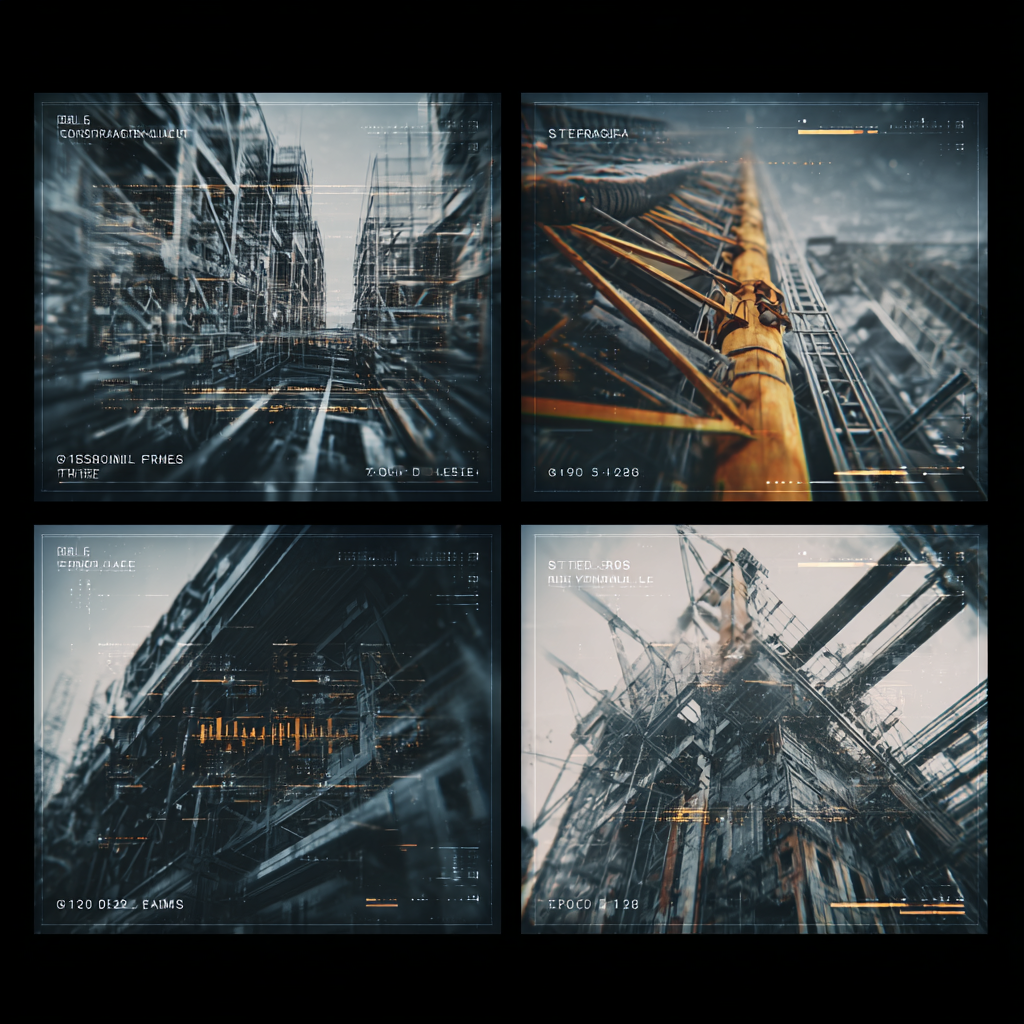
Revolutionizing Construction: The Rise of Steel Frames in 2025 Top+ Digital Trends
As we move closer to 2025, the construction industry is witnessing a remarkable transformation driven by innovative technologies and materials. One of the most significant trends shaping this evolution is the increasing adoption of Steel Frames in building design and construction. Steel Frames are not only revolutionizing structural integrity and safety but also enhancing efficiency and sustainability in the overall construction process. This shift towards steel-based frameworks reflects a broader digital revolution within the industry, where traditional methods are being replaced by smarter, more flexible approaches.
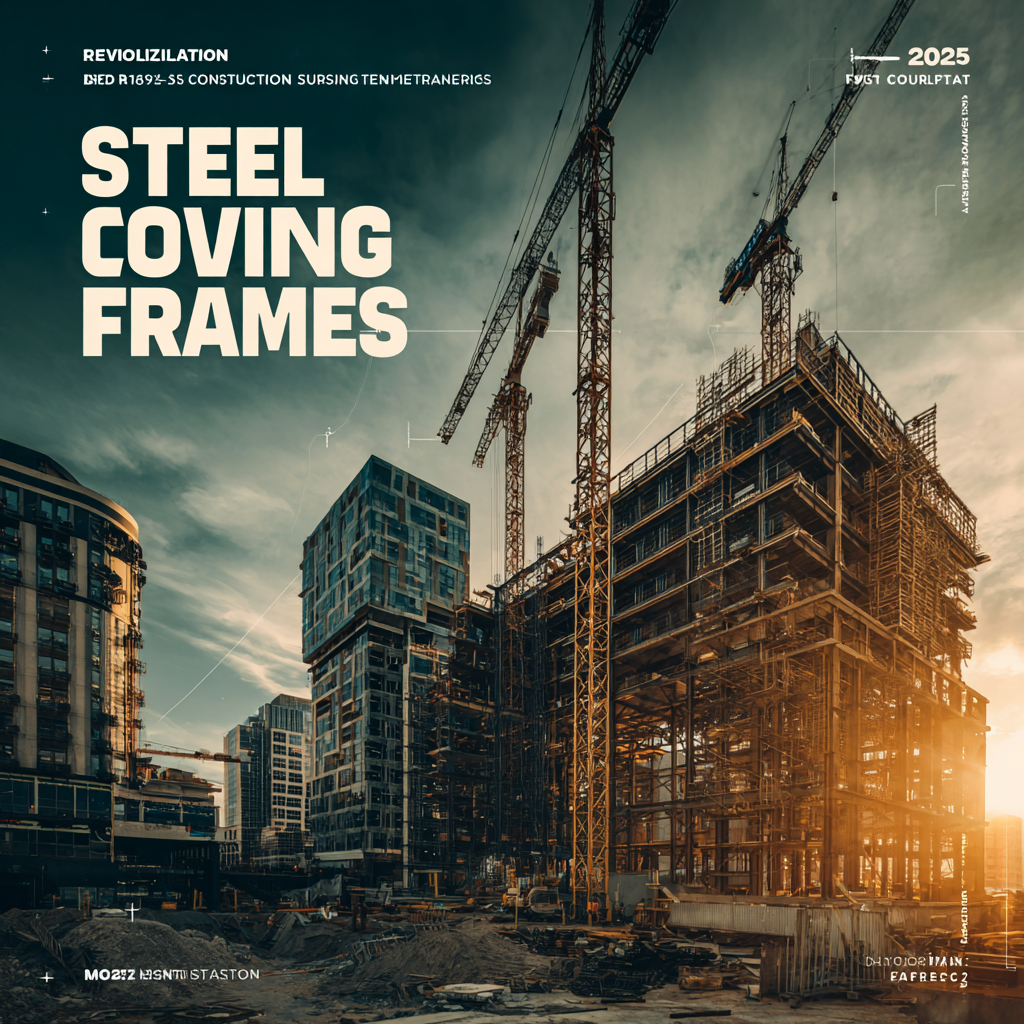
Incorporating Steel Frames into modern architecture offers a host of benefits, including faster construction times, reduced material waste, and improved energy efficiency. As digital tools and techniques become more integrated into architectural practices, the precision and adaptability of Steel Frames allow architects and builders to push the boundaries of design. Moreover, with the rise of smart buildings and automated construction processes, Steel Frames are emerging as a foundational element that aligns with the future of urban development.
By examining the digital trends and innovations that have propelled Steel Frames to the forefront of construction, we can gain insight into the future landscape of the industry. The ascent of Steel Frames signifies not just a material choice, but a paradigm shift toward more resilient, sustainable, and technology-driven building practices that promise to redefine how we construct our environments in the years to come.
The Evolution of Steel Frames: Transforming the Construction Landscape in 2025
The construction industry is witnessing a transformative shift in 2025, driven by the innovative use of steel frames. This evolution is not just about materials; it reflects a broader trend towards sustainability, efficiency, and modern design aesthetics. Steel frames are becoming the backbone of contemporary architecture, allowing for greater design flexibility while ensuring the structural integrity needed for larger, more complex buildings. As urbanization accelerates, the need for durable and adaptable construction solutions has never been more critical.
Tips: When considering steel frames for your project, focus on selecting providers who prioritize sustainability in their materials and processes. This not only helps reduce the carbon footprint but also enhances the long-term value of your structures. Additionally, integrating advanced technology, such as Building Information Modeling (BIM), can streamline the construction process, ensuring efficiency and reducing waste.
As we look ahead, the impact of steel frames extends beyond mere functionality. Designers are leveraging the aesthetic potential of steel to create breathtaking architectural landmarks. The fusion of form and function is becoming increasingly apparent, as architects explore innovative designs that challenge traditional building conventions. By embracing this evolution, the construction industry can address the growing demand for sustainable and visually striking urban environments.
Key Benefits of Using Steel Frames in Modern Construction Projects
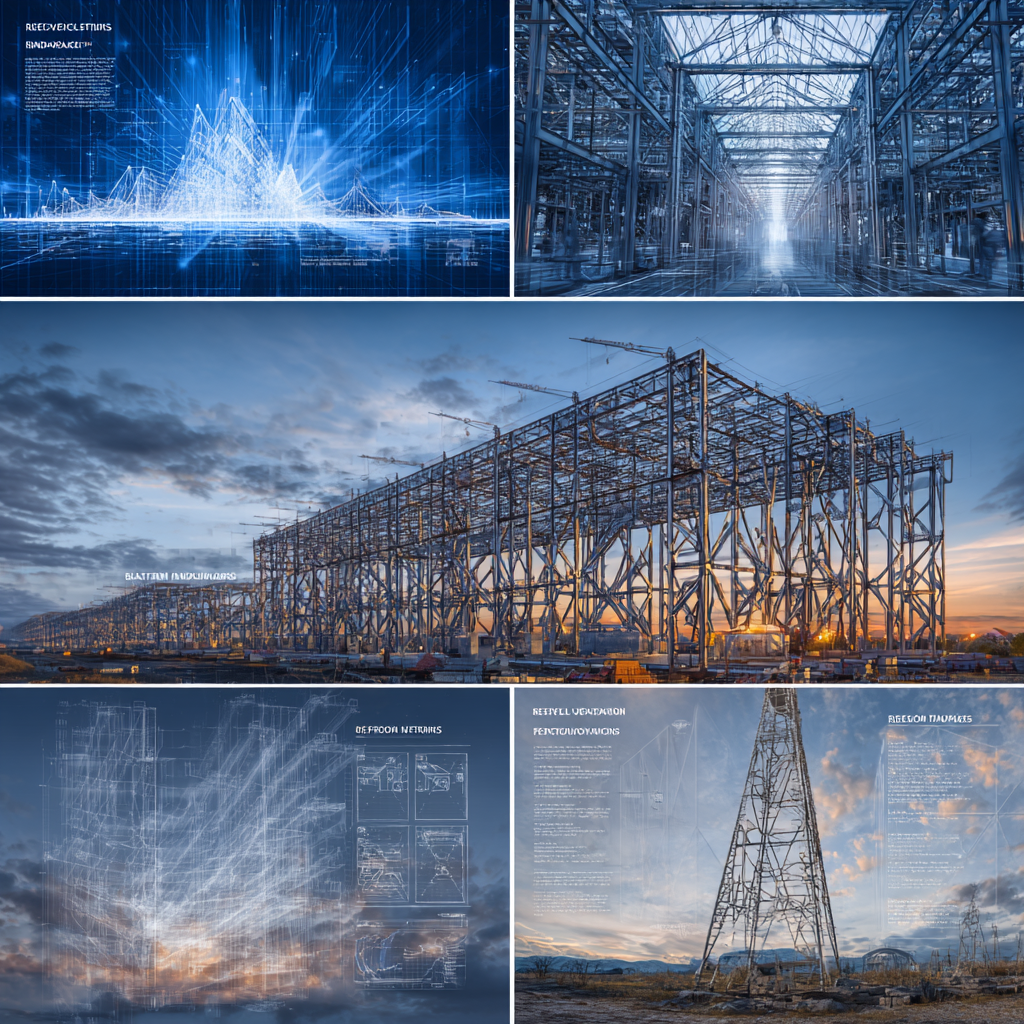 The use of steel frames in modern construction projects has gained remarkable traction due to their multitude of advantages. Firstly, steel frames offer unparalleled strength and durability. Unlike traditional materials such as wood or concrete, steel has a superior structural integrity that can withstand various environmental stresses, including extreme weather conditions. This resilience not only prolongs the lifespan of buildings but also reduces long-term maintenance costs, making steel an economically wise choice for developers.
Additionally, the flexibility of steel allows for innovative designs and greater architectural freedom. Steel frames can support larger spans with fewer columns, enabling open spaces that are increasingly desired in contemporary design. This adaptability facilitates quicker construction times, as prefabricated steel components can be easily assembled on site. Furthermore, the lighter weight of steel compared to concrete contributes to reduced foundation requirements and overall construction expenses. As the construction industry continues to embrace sustainability, steel's recyclability adds an eco-friendly dimension, aligning with modern clients' values and demands for greener building practices.
Digital Innovations Driving the Adoption of Steel Frame Technology
The construction industry is witnessing a technological revolution, with digital innovations playing a pivotal role in the widespread adoption of steel frame technology. According to a recent report by MarketsandMarkets, the global steel frame market is projected to grow at a CAGR of 6.2% from 2022 to 2027, fueled by advancements in construction technology and a rising demand for sustainable building practices. Digital tools such as Building Information Modeling (BIM) and augmented reality (AR) are enabling architects and builders to design and visualize steel structures with unprecedented precision, ensuring that projects are completed more efficiently and with reduced waste.
Additionally, the integration of Internet of Things (IoT) devices within steel frame construction is enhancing operational efficiency and safety. A study by McKinsey suggests that digital tools can improve productivity in construction projects by up to 50%, allowing for real-time monitoring of project progress and resource allocation. As builders embrace these technologies, they are not only streamlining construction processes but also addressing the industry's environmental impact by utilizing steel's recyclability and durability. The confluence of these digital trends positions steel frame technology at the forefront of modern construction, paving the way for more resilient and innovative building solutions in 2025 and beyond.
Revolutionizing Construction: Adoption of Steel Frame Technology in 2025
This chart illustrates the projected adoption rates of steel frame technology in various construction sectors for the year 2025. The data highlights the significant growth expected across residential, commercial, and industrial construction.
Sustainability and Efficiency: The Role of Steel Frames in Green Building Practices
In 2025, the construction industry is witnessing a transformative shift towards sustainability, with steel frames emerging as a crucial element in green building practices. The resilience of light gauge steel framing addresses challenges such as global material shortages, rising labor costs, and climate change impacts. By utilizing steel, which is recyclable and energy-efficient, builders can promote sustainable waste management during both construction and demolition phases. This aligns with the broader goal of achieving net-zero carbon emissions within the industry.
Moreover, advancements in biophilic and sustainable design highlight the importance of using low-emissivity materials, such as steel, to enhance environmental performance. As architects increasingly embrace these principles, regulatory frameworks, like Canada’s strengthened legislation for building performance, pave the way for a more eco-conscious approach. Countries are recognizing the necessity for robust structures that contribute to energy efficiency and reduced greenhouse gas emissions. Steel frames not only meet these emerging standards but also exemplify the industry’s commitment to innovation and sustainability in the quest for greener buildings.
Revolutionizing Construction: The Rise of Steel Frames in 2025 Top+ Digital Trends - Sustainability and Efficiency: The Role of Steel Frames in Green Building Practices
| Dimension |
Data |
| Annual Growth Rate of Steel Frame Usage |
7% (2025 forecast) |
| Reduction in Carbon Footprint |
30% with Steel |
| Percentage of Projects Using Steel Frames |
45% (2025) |
| Average Lifecycle of Steel Structures |
50 years |
| Energy Savings in Steel-Framed Buildings |
20-30% |
| Recyclability of Steel |
100% |
The Future of Construction: Integrating Steel Frames with Smart Technologies
The integration of steel frames with smart technologies is set to transform the construction industry, marking a significant shift towards sustainability and efficiency in the year 2025. Steel frames, known for their strength and durability, are increasingly being combined with advanced smart technologies, such as IoT sensors and automated systems. This fusion not only enhances structural integrity but also optimizes the construction process by enabling real-time monitoring and data collection. Construction teams can make informed decisions based on analytics gathered from the integrated systems, leading to reduced waste and streamlined operations.
Moreover, the smart technologies embedded within steel frames can enhance the building's performance throughout its lifecycle. Features such as energy management systems and automated climate control can be seamlessly integrated, allowing buildings to adapt to their environments while minimizing energy consumption. This creates not just smarter buildings but also a positive impact on the environment by promoting sustainable practices. As these innovations unfold, the construction industry stands on the brink of a revolution, where steel frames and smart technologies work in harmony to shape the future of urban architecture.