Top 10 Steel Metal Applications Transforming Industries Today
In today's rapidly evolving industrial landscape, the role of Steel Metal has become more pivotal than ever. As the demand for innovative materials increases, industries are increasingly leveraging the unique properties of steel to enhance productivity and sustainability. According to a recent report by the World Steel Association, the global crude steel production reached 1.9 billion tons in 2022, marking an impressive recovery from the pandemic-induced slump. This trend underscores the transformative power of steel in applications ranging from construction to automotive manufacturing and energy solutions.
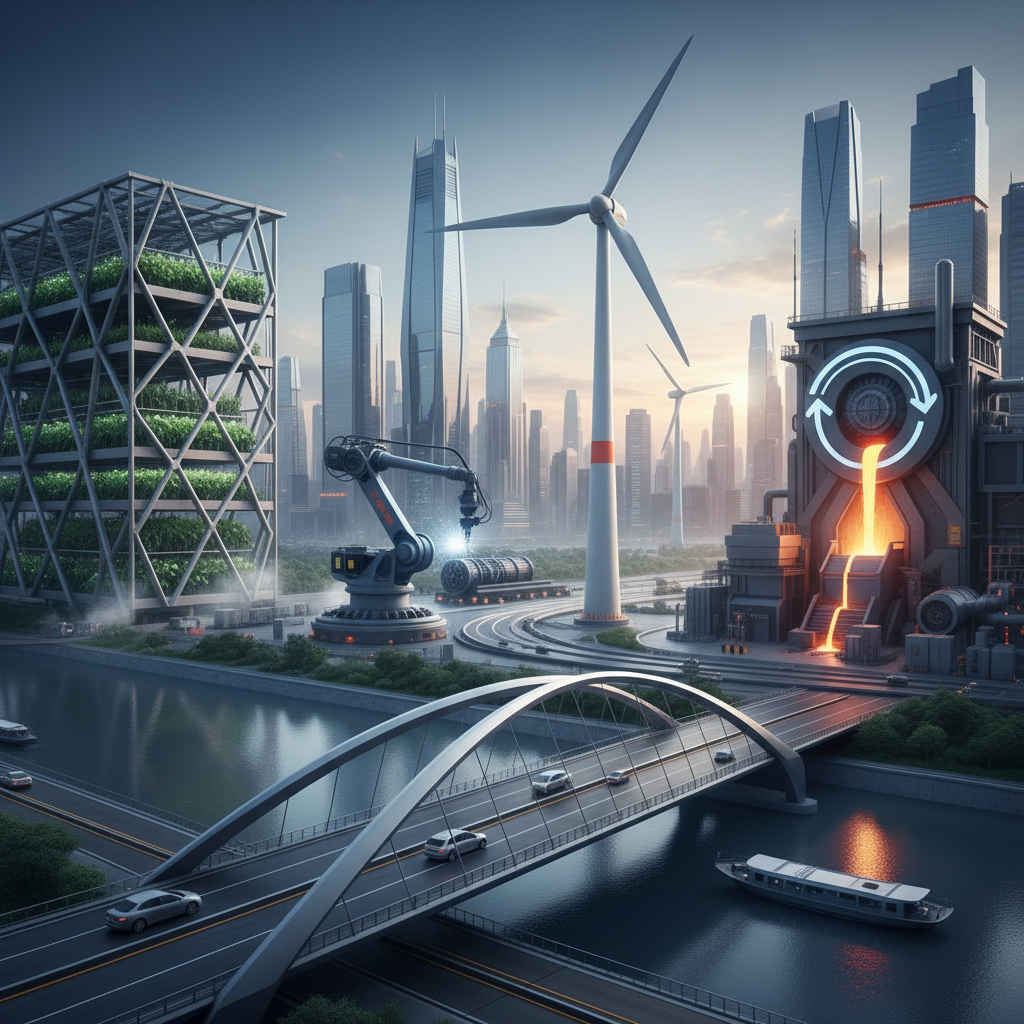
John Smith, a renowned expert in the Steel Metal industry, emphasizes, "Steel is not just a building material; it is the backbone of modern infrastructure and technology." His insight reflects the ongoing shift towards advanced steel applications that incorporate features such as enhanced strength, corrosion resistance, and reduced carbon footprints. As we approach 2025, our focus will shine a light on the top five Steel Metal applications that are poised to revolutionize various sectors, driving both efficiency and environmental responsibility.
With the integration of cutting-edge technologies such as smart manufacturing and recycling innovations, the future of Steel Metal applications appears brighter than ever. Industries are not only transforming their processes but also redefining their standards for sustainability and performance. The forthcoming examination of these top applications will provide an in-depth look into how Steel Metal continues to shape the world around us.
Innovative Uses of Steel in the Automotive Industry: Driving Change in 2025
The automotive industry is on the brink of a transformation
as innovative steel applications are set to redefine vehicle design and manufacturing by 2025.
Steel, known for its strength and versatility, is being utilized in advanced lightweight structures,
enhancing fuel efficiency while maintaining safety standards. Automakers are increasingly adopting
high-strength and ultra-high-strength steel to reduce vehicle weight, leading to
lower emissions and improved performance.
Tips: When considering new steel applications in automotive projects, evaluate the balance between
weight reduction and safety features. Conduct thorough research on the latest
steel alloys and their properties to ensure optimal performance.
Moreover, the introduction of smart steel technologies is paving the way
for more connected and autonomous vehicles. These smart materials can adapt to various conditions,
embedding sensors that monitor vehicle health in real-time, enhancing safety and maintenance.
With continuous development in steel production techniques, manufacturers can achieve complex designs
that were once thought unfeasible.
Tips: Collaborate with material scientists and engineers when planning designs that leverage
smart steel technologies to fully exploit their capabilities for enhancing vehicle functionality.
Revolutionizing Construction: Advanced Steel Applications for Smart Buildings
The construction industry is on the brink of transformation, with advanced steel applications paving the way for the development of smart buildings. The global steel sector is projected to reach a market value of approximately $1.3 trillion by 2025, showcasing the material's critical role in contemporary construction. Steel's versatility allows architects and engineers to design structures that are not only strong and durable but also energy-efficient. For instance, the use of high-strength steel beams reduces the weight of structural components, enabling more open spaces and innovative designs.
Moreover, the integration of smart technologies in steel construction is enhancing building performance and sustainability. A report from McKinsey indicates that implementing smart building technologies can lead to energy savings of 25-30%. By embedding sensors within steel frameworks, these buildings can monitor energy usage, optimize HVAC systems, and improve occupant comfort. Furthermore, advanced protective coatings on steel prevent corrosion, extending the lifespan of structures and reducing maintenance costs. This combination of steel's inherent properties with cutting-edge technology positions it as a cornerstone of modern construction, driving efficiency and sustainability in urban development.
Top 10 Steel Metal Applications Transforming Industries Today
These are the top applications of steel transforming the construction industry today, showcasing the versatility and importance of steel in modern building practices.
The Role of Steel in Renewable Energy: Transforming the Energy Sector by 2025

The steel industry is undergoing a transformative shift as it embraces innovative green steelmaking technologies that leverage hydrogen, promising to cut carbon emissions dramatically. This revolution not only positions steel as a pivotal player in the energy sector but also aligns with global ambitions for a sustainable future. With cutting-edge advancements leading to zero-emission metal production, the industry is moving away from traditional carbon-intensive methods, heralding a new era of eco-friendly manufacturing.
As countries like Brazil and India strive towards their net-zero targets, the role of steel in renewable energy becomes increasingly significant. Brazil’s strategic initiatives aim to foster a greener industrial landscape, while India is focused on phasing out outdated carbon-heavy assets in favor of developing low-carbon capacities. These efforts underscore the steel sector's potential to contribute meaningfully to the global energy transition, aligning with the broader goals of sustainability and economic growth. The integration of artificial intelligence in data management also hints at new possibilities for enhancing energy efficiency and optimizing production processes, further solidifying steel's role in transforming the energy sector by 2025.
Enhancing Manufacturing Efficiency: Steel Solutions for the 21st Century
Steel has been pivotal in revolutionizing manufacturing processes in the 21st century, offering a blend of strength, durability, and versatility that enhances efficiency across various industries. With advancements in steel production techniques such as electric arc furnaces and continuous casting, manufacturers can produce higher-quality steel with reduced energy consumption and lower carbon emissions. This transformation leads to not only cost savings but also environmentally sustainable practices, positioning steel as a leading material in green manufacturing initiatives.
In addition to traditional applications in construction and automotive industries, innovative steel applications are making waves in sectors such as aerospace and energy. High-strength, lightweight steel alloys are enabling the production of more efficient aircraft, reducing fuel consumption and lowering operational costs. Similarly, in renewable energy, steel is critical in constructing wind turbines and solar structures, playing a vital role in the global shift towards cleaner energy sources. As industries continue to embrace new technologies and methodologies, steel remains a foundational element driving efficiency and sustainability in manufacturing.
Top 10 Steel Metal Applications Transforming Industries Today
| Application |
Industry |
Benefits |
Efficiency Improvement (%) |
| Automotive Frames |
Automotive |
Reduction in weight and enhanced safety |
15% |
| Building Structures |
Construction |
Increased sturdiness and durability |
20% |
| Pipelines |
Oil & Gas |
Corrosion resistance and reduced leakage |
25% |
| Machinery Components |
Manufacturing |
Higher precision and operational efficiency |
30% |
| Railway Tracks |
Transportation |
Improved safety and load capacity |
18% |
| Wind Turbine Components |
Renewable Energy |
Lightweight and high strength |
22% |
| Packaging |
Food & Beverage |
Sustainability and recyclability |
10% |
| Construction Tools |
Construction |
Increased lifespan and impact resistance |
12% |
| Bicycle Frames |
Transportation |
Lightweight without sacrificing strength |
15% |
| Metal Roofing |
Construction |
Energy efficiency and durability |
16% |
Steel's Impact on Medical Technology: Advancements Shaping Health Care in 2025
Steel plays a crucial role in revolutionizing medical technology, with advancements projected to shape healthcare significantly by 2025. Innovative uses of steel in surgical instruments and implants enhance precision and durability, making surgeries safer and more efficient. For instance, stainless steel is favored for its resistance to corrosion and ease of sterilization, which are vital for maintaining hygiene in medical environments.
Tips for manufacturers include investing in high-quality steel that meets stringent medical standards to ensure patient safety and compliance. Additionally, embracing new processing techniques can optimize the performance of steel components, enhancing their biocompatibility and lifespan. Collaboration with medical professionals will also provide valuable insights, helping to tailor products that better meet the evolving needs of healthcare providers.
As we anticipate these advancements, it is essential for healthcare facilities to stay updated on the latest materials and technologies. Implementing training programs on the handling and use of advanced steel instruments will ensure that medical personnel are well-equipped to utilize these innovations effectively. The intersection of steel and medical technology represents not only a leap forward in treatment capabilities but also a pivotal moment in patient care enhancement.