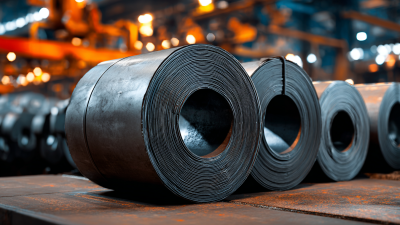
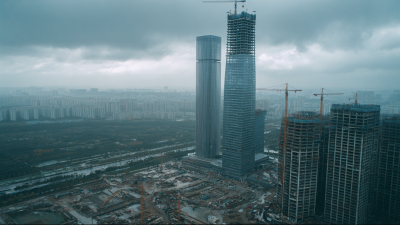
Why Choose Industrial Steel for Your Next Construction Project?
In the ever-evolving landscape of construction, selecting the appropriate materials is critical for the success and longevity of any project. Among the myriad options available,
"Industrial Steel" has emerged as a preferred choice due to its exceptional durability and versatility.
According to recent industry reports from the World Steel Association, the global steel demand is projected to reach
1.9 billion metric tons by 2025, underscoring the importance of this material in modern infrastructure.
This surge is primarily driven by the growing demand for strong, resilient structures that can withstand environmental stresses while maintaining cost-effectiveness.
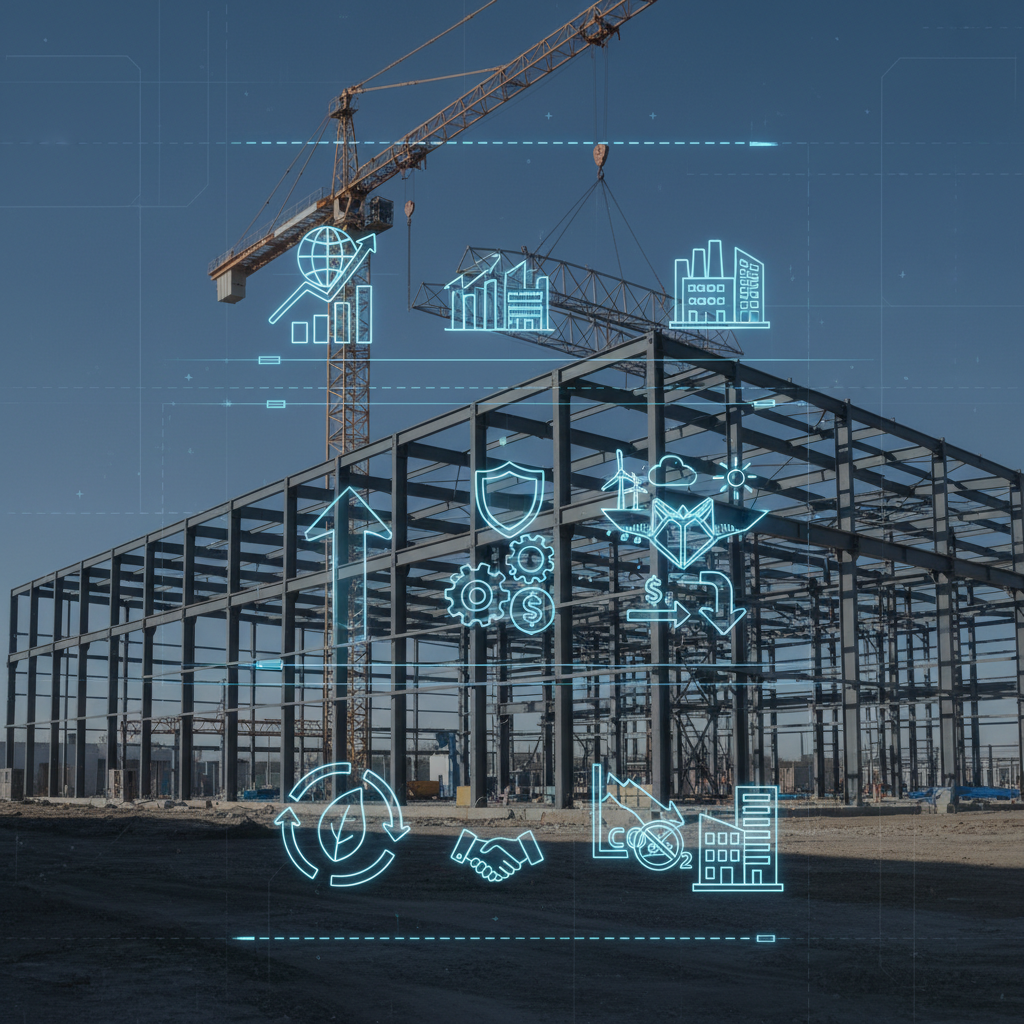
Moreover, the advantages of Industrial Steel are not limited to its physical properties. A study by the American Iron and Steel Institute highlights that the
carbon footprint of steel production has been decreasing over the past two decades, emphasizing a shift towards more sustainable practices within the industry.
This trend is crucial as stakeholders increasingly prioritize sustainable development alongside structural integrity.
Therefore, opting for Industrial Steel in your next construction project not only promises enhanced performance but also aligns with global efforts towards
environmentally responsible building practices.
Benefits of Using Industrial Steel in Construction Projects
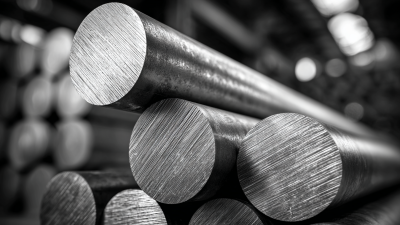
Industrial steel has become a preferred choice for construction projects due to its remarkable strength and durability. It excels in withstanding extreme conditions, making it ideal for structures that require resilience. Unlike traditional materials, steel does not warp or crack, which enhances the longevity of buildings. This reliability not only helps reduce maintenance costs but also ensures the safety of the structures over time.
Another significant benefit of using industrial steel is its design flexibility. Steel can be molded into various shapes and sizes, allowing architects and engineers to explore innovative designs without compromising structural integrity. This versatility enables the creation of lightweight, yet robust frameworks that facilitate larger open spaces in buildings, providing both aesthetic appeal and functional advantages. Additionally, the speed of construction is greatly improved with steel, as pre-fabricated components can be quickly assembled on-site, leading to shorter project timelines and reduced labor costs.
Key Properties of Industrial Steel That Enhance Durability and Strength
Industrial steel is a material renowned for its exceptional durability and strength, making it a prime choice for construction projects. One of the key properties that enhance its robustness is its high tensile strength, which is documented to be between 400-550 MPa in structural grades. This strength allows industrial steel to withstand significant loads and stresses, ensuring safety and longevity in various applications, from bridges to high-rise buildings. According to a report by the American Institute of Steel Construction (AISC), structures designed using steel can often be erected more efficiently and with a reduced carbon footprint compared to alternatives like concrete.
Another vital aspect of industrial steel is its resistance to corrosion, particularly when treated with protective coatings or selected as weathering steel. This property is crucial in environments exposed to moisture and chemical attacks. According to the Steel Construction Institute, structures using corrosion-resistant steel can have a lifespan that is up to 50% longer than those built with traditional materials, further optimizing maintenance costs and enhancing sustainability over time. By incorporating industrial steel into construction projects, builders can achieve not only structural integrity but also significant economic benefits derived from its inherent properties.
Cost-Effectiveness of Industrial Steel Compared to Alternative Materials
When considering materials for construction projects, the cost-effectiveness of industrial steel cannot be overstated. Compared to alternatives such as wood or concrete, industrial steel, particularly in the form of Hot Rolled Coil (HRC), offers superior durability and strength at a competitive price. The carbon steel market, with an anticipated growth from USD 1,059.6 billion to USD 1,806.9 billion by 2035, highlights the increasing demand and preference for steel as a building material. Its resilience against environmental factors also contributes to lower maintenance costs over time.
Tips: When selecting industrial steel for your project, ensure you consider the grade that best suits your application—whether low, medium, or high carbon steel. Assessing the specific requirements of your construction, such as load-bearing capacity and corrosion resistance, will lead to better project outcomes. Additionally, exploring potential market trends in steel pricing can help you plan strategically, ensuring you secure materials at the best possible rates.
Investing in industrial steel not only enhances structural integrity but also aligns with sustainability goals, as many modern buildings aim for environmentally friendly practices. By opting for steel, you're leveraging a material that supports innovative construction methodologies while remaining mindful of budget constraints.
Sustainability and Environmental Impact of Steel in Construction
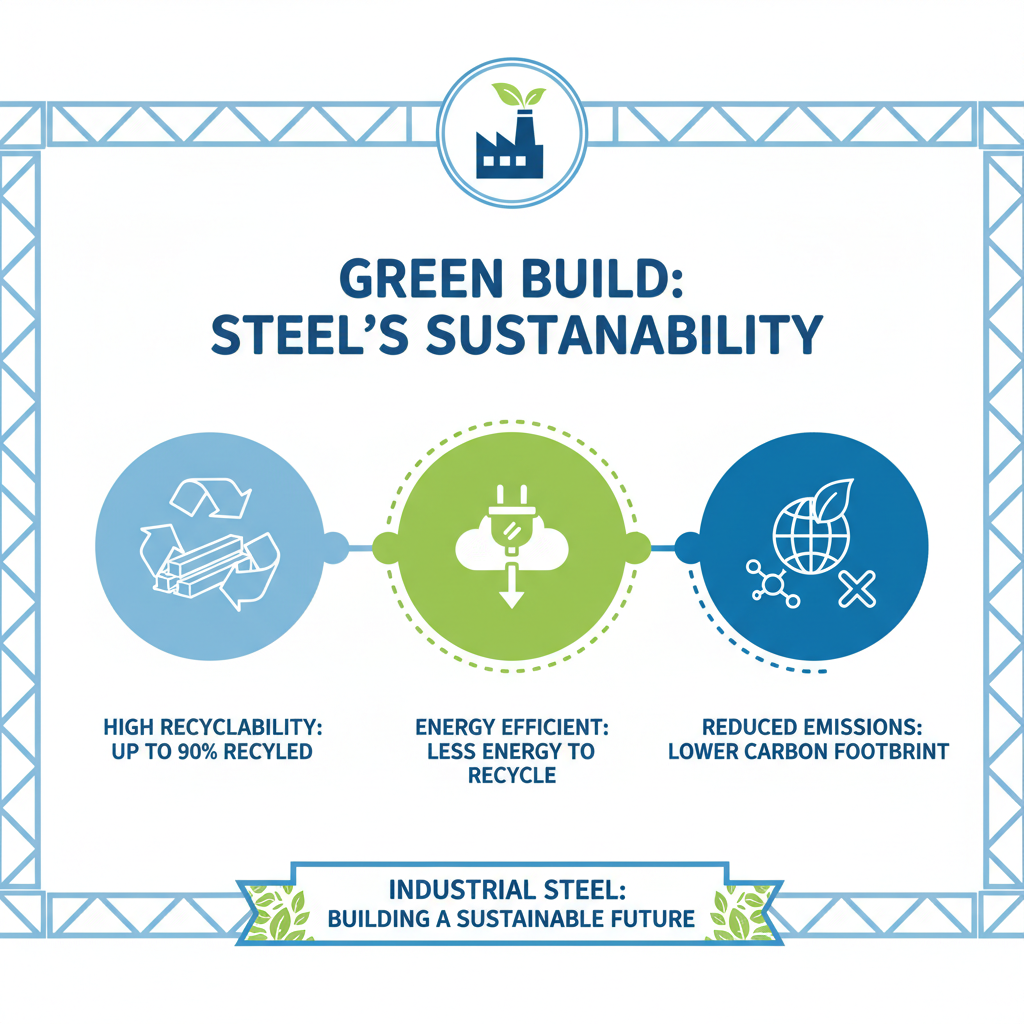
Industrial steel has emerged as a leading choice in modern construction projects, primarily due to its significant
sustainability benefits. Steel is one of the most recyclable materials in the world, with up to
90% of steel being recycled at the end of its life cycle, thus reducing waste in landfills. The recycling process requires less energy than producing new steel from raw
materials, leading to lower carbon emissions and fewer environmental pollutants. This makes steel a preferable option for environmentally-conscious builders aiming to minimize their
carbon footprint.
Moreover, the durability and strength of industrial steel contribute to longer-lasting structures, which in turn mitigates the need for frequent repairs or
replacements. This resilience not only extends the lifespan of construction but also reduces the overall consumption of materials and resources over time. As a result, the environmental
impact of constructing with steel is significantly lower compared to other materials, promoting sustainable development in the construction industry. The combination of recyclability
and durability positions industrial steel as a smart choice for future-focused construction projects.
Applications of Industrial Steel in Various Types of Construction Projects
Industrial steel plays a pivotal role in modern construction projects, offering a range of applications that enhance durability and efficiency. The steel wire rope market is projected to reach USD 13.88 billion by 2030, highlighting the growing demand for high-strength materials in various building applications. Steel wire ropes are particularly vital in heavy construction, where they are used for lifting and securing loads, ensuring safety and reliability in structural integrity.
In addition to wire rope, galvanized steel coils are increasingly favored for building materials due to their superior corrosion resistance and cost-effectiveness. The expanding galvanized steel coil market reflects a shift towards materials that not only meet structural needs but also contribute to long-term sustainability. The emphasis on using locally produced green steel in major government projects in Western Australia showcases a trend towards environmentally friendly construction solutions. By integrating sustainable steel options, projects can benefit from enhanced material properties while minimizing their ecological footprint, ultimately shaping the future of construction.
Why Choose Industrial Steel for Your Next Construction Project? - Applications of Industrial Steel in Various Types of Construction Projects
| Application Area |
Description |
Advantages |
| Commercial Buildings |
Used for structural frameworks, roofing, and cladding. |
Durability, fire resistance, and design flexibility. |
| Industrial Facilities |
Framework for factories, warehouses, and processing plants. |
Strength, low maintenance, and ease of assembly. |
| Bridges |
Used in both superstructures and substructures. |
High load capacity, longevity, and safety. |
| Residential Buildings |
Framework and roofing systems for homes. |
Cost-effective, energy-efficient, and customizable. |
| Construction Equipment |
Manufactured components for cranes and scaffolding. |
High weight-to-strength ratio and resilience. |
| Infrastructure Projects |
Pipelines, power plants, and transportation systems. |
Corrosion resistance and ability to withstand extreme conditions. |